
Measles exposures confirmed in Charlotte: what residents should know |
Stay informed and stay safe: What Charlotte residents need to know about recent measles exposures. |
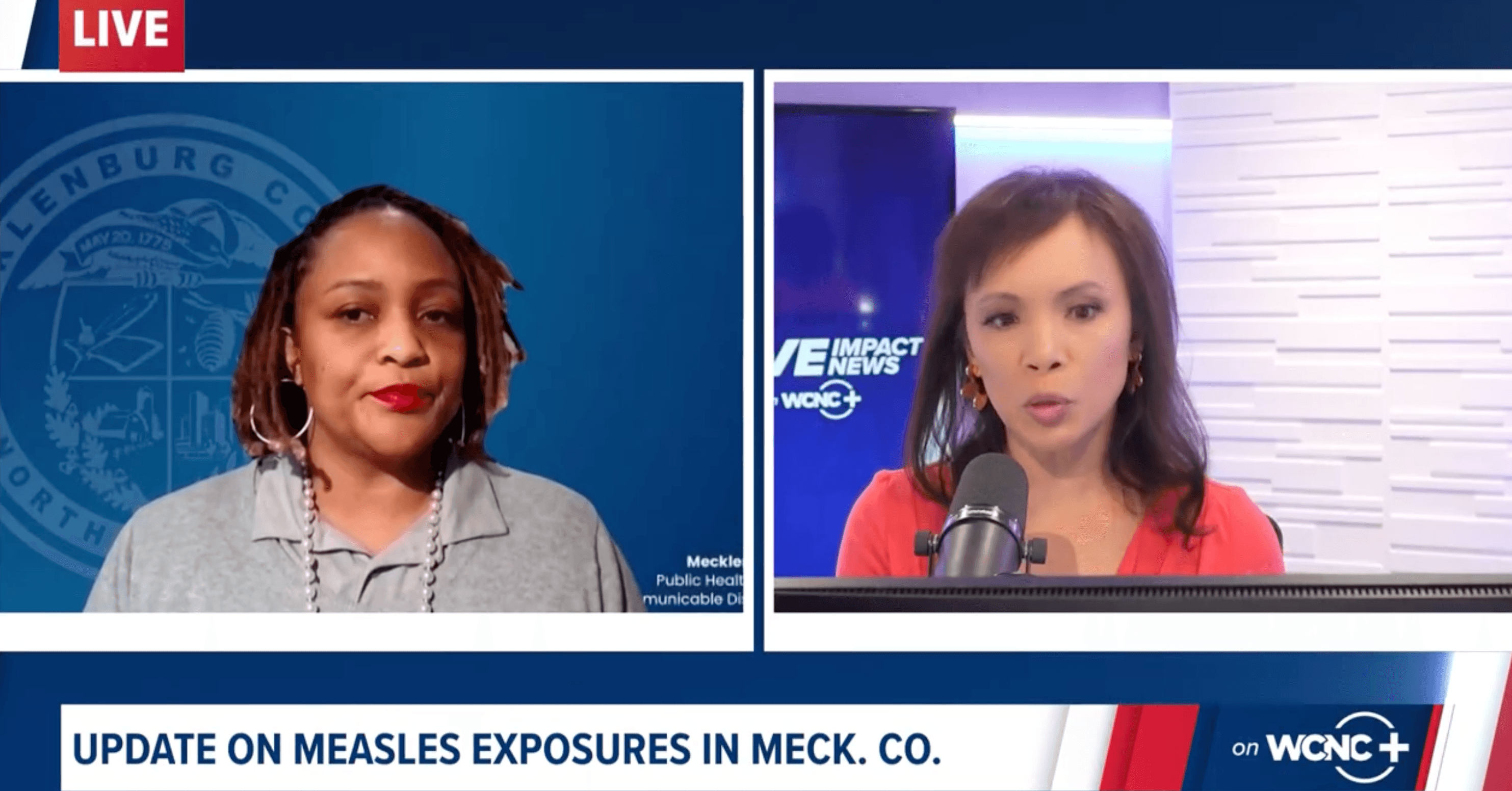
Health officials in Charlotte are urging residents to stay informed after three confirmed measles cases were reported in Mecklenburg County, prompting public exposure notices at several locations across the city.
Measles, a highly contagious viral illness, has been making a resurgence nationally over the past several months. Local officials say the recent cases highlight the importance of awareness, vaccination, and knowing what steps to take if you believe you may have been exposed. What we know about the Charlotte cases
According to Mecklenburg County Public Health, the three cases are not currently linked to a single source, and investigators have not identified a specific geographic cluster.
Health leaders note that Mecklenburg County reported just one measles case in 2024, making this uptick unusual. Officials believe lower vaccination rates may be contributing to increased risk, particularly in areas where coverage falls below recommended levels.
Kindergarten vaccination rates in the county are currently estimated at around 92%. Experts say when coverage drops below 95%, outbreaks become more likely, especially in pockets where rates are even lower. Locations tied to potential exposure
Public exposure notices were issued after a confirmed measles case visited several high-traffic locations where it was not possible to identify all contacts.
Reported exposure locations include:
If you were present at one of these locations during the listed exposure windows and develop symptoms, health officials strongly advise calling your healthcare provider or public health first rather than showing up in person. Who is most at risk
Health officials say certain groups face a higher risk of complications from measles, including:
While many cases resolve without long-term illness, measles can lead to serious complications, including encephalitis, a rare but potentially life-threatening brain inflammation. Symptoms to watch for
Measles symptoms often begin several days after exposure and may initially resemble a common viral illness.
Common symptoms include:
If symptoms appear, contact your healthcare provider by phone first to reduce the risk of exposing others, as measles spreads very easily through the air. Prevention and vaccination guidance
Health officials emphasize that vaccination remains the most effective protection against measles.
The standard vaccination schedule includes:
In certain situations, such as domestic or international travel to outbreak areas, early vaccination may be recommended. Officials encourage residents with questions or concerns to speak directly with their healthcare provider or the county immunization clinic.
People born before 1957 are generally considered immune, though antibody testing may be used to confirm immunity in some cases. Isolation vs. quarantine: what’s the difference?
If someone is diagnosed with measles, they are required to:
Those who were exposed but are not yet sick may be asked to:
This distinction helps reduce the risk of additional spread while health officials monitor potential cases. What residents should do now
Health leaders stress that this situation is manageable but requires community awareness and cooperation.
Key takeaways for Charlotte residents:
As officials continue monitoring the situation, residents are encouraged to stay informed through trusted local sources like WCNC and Mecklenburg County Public Health updates.
Protecting the community, officials say, starts with informed and proactive action. |

0 Comments
Join the conversation
Be the first to comment
Share your thoughts above.