
At Just 19, This Charlotte Data Analyst Is Helping the Fire Department Save Lives |
Meet the UNC Charlotte student using data, maps and AI to improve emergency response across the Queen City. |
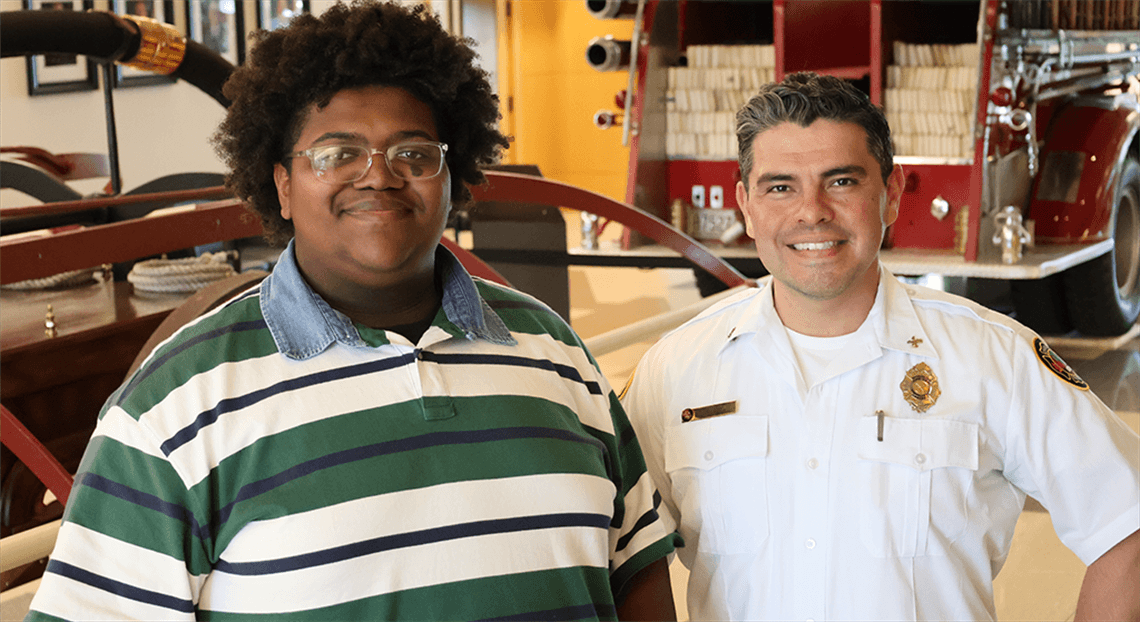
When most people picture someone working for the Charlotte Fire Department, they imagine firefighters racing toward an emergency. Nineteen-year-old Kyle Hampton is helping protect Charlotte from behind a computer screen. Instead of wearing turnout gear, Hampton analyzes data, creates maps and writes code that helps Charlotte Fire understand where emergency resources are needed most. His work is already helping the department plan for a city that continues to grow and change. Hampton is helping Charlotte Fire turn thousands of emergency calls into clearer decisions about response times, station coverage and future growth. A Charlotte success storyHampton’s path began through the City of Charlotte’s youth employment programs while he was attending Charlotte Engineering Early College on the UNC Charlotte campus. He completed internships with both the Charlotte-Mecklenburg Police Department and Charlotte Fire before moving into a full-time role with the city’s Innovation and Technology Department through Charlotte’s Education 2 Employment program. He will continue supporting Charlotte Fire’s Research and Strategic Planning Division while completing his college degree. Using data to improve emergency responseHampton’s work goes far beyond spreadsheets and routine reports. He helps the department study how emergency services are performing across Charlotte. His analysis includes:
Using tools including Python, SQL, ArcGIS and Excel, Hampton helps turn large amounts of emergency response data into visual models that department leaders can use to evaluate staffing, station locations and long-term planning. Building a better response modelOne of Hampton’s biggest contributions has been his work on Charlotte Fire’s Response Analysis Model, also known as RAM. The model combines historical emergency response information with vehicle location data to show how fire trucks move throughout the city and how quickly crews are able to reach different areas. Instead of relying only on assumptions, Charlotte Fire can use actual performance data to identify potential coverage gaps, evaluate response patterns and prepare for future population growth. Charlotte changes every day. The data helps the fire department understand how emergency coverage must change with it. Turning numbers into mapsGeographic Information Systems, commonly called GIS, are an important part of Hampton’s work. Instead of asking department leaders to sort through endless rows of numbers, GIS technology allows the team to see emergency patterns on a map. These maps can help identify:
It is the type of behind-the-scenes work most residents may never see, but it can directly influence how quickly help arrives during an emergency. Connecting the data to real peopleHampton has also joined Charlotte firefighters for ride-alongs, giving him a firsthand look at what happens after an emergency call appears in the department’s data. Seeing crews navigate traffic, respond to emergencies and help families changed the way he viewed the numbers. Response times were no longer just figures in a spreadsheet. They represented firefighters trying to reach someone during one of the most difficult moments of that person’s life. Already making an impactCharlotte Fire leaders say Hampton has earned the department’s respect through his technical skills, curiosity and work ethic. Fire Chief Reginald Johnson said Hampton’s story shows what can happen when young people are given meaningful opportunities to serve their communities. Battalion Chief Juan Pablo Soto has also praised Hampton’s talent and character. What comes nextHampton is pursuing a bachelor’s degree in data science at UNC Charlotte with a minor in artificial intelligence. Through his early college program, he has already completed a significant portion of his degree and is also working toward a project management certificate. His story is a reminder that public safety is supported by more than the firefighters and first responders residents see during an emergency. It also depends on analysts, planners, engineers and technology professionals working behind the scenes to help those responders serve a growing city more effectively. As Charlotte continues to expand, the data guiding those decisions could become almost as important as the fire engines responding to the calls. Read the original story from the City of Charlotte: |
0 Comments
Join the conversation
Be the first to comment
Share your thoughts above.