Arrowood corridor gets 8 new crossings, sidewalks and lighting |
A finished southwest Charlotte project adds safer crossings, new sidewalks, lighting and transit upgrades along the Arrowood Road corridor |
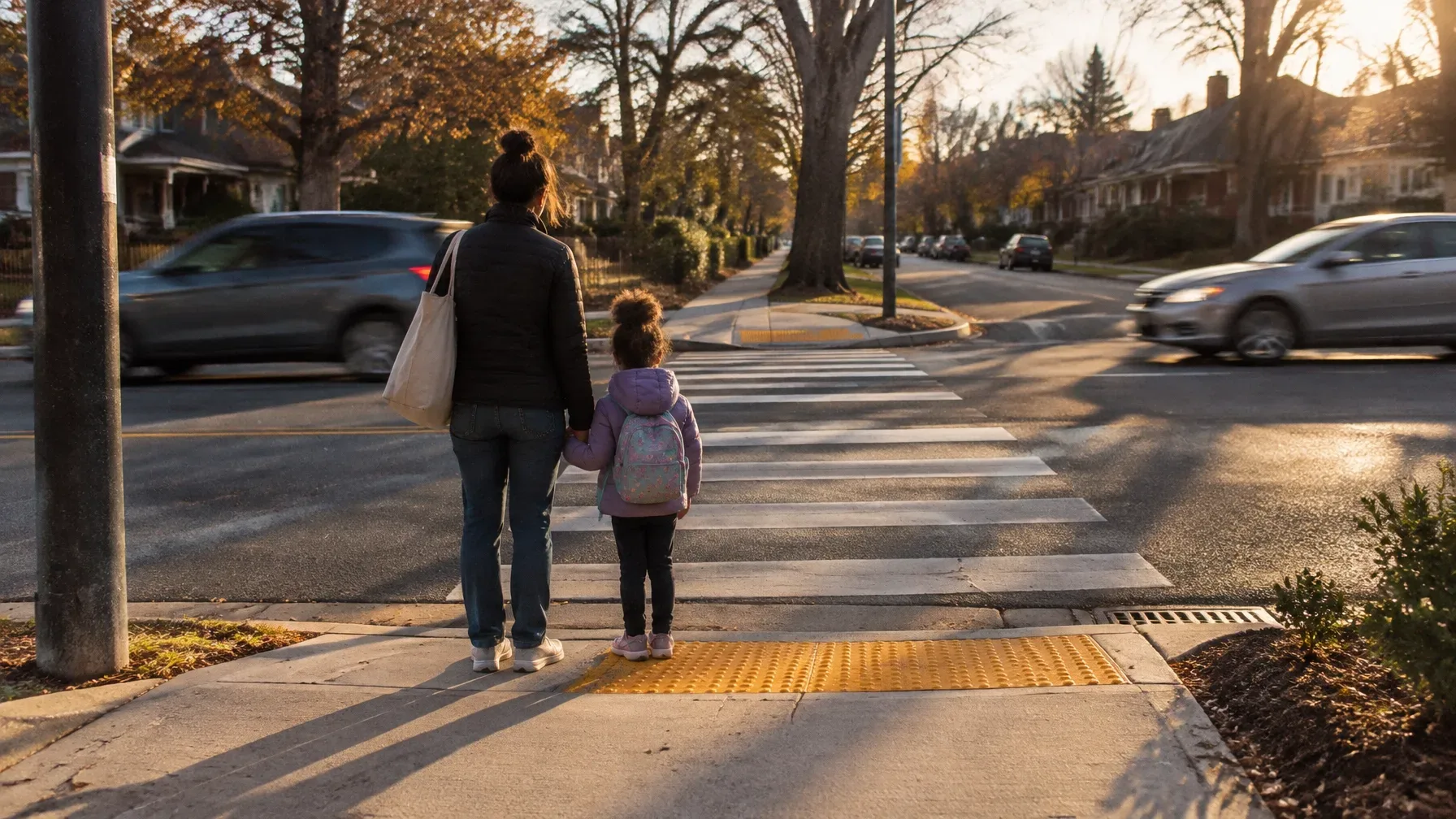
Southwest Charlotte has a more walkable Arrowood Road corridor to show for a major city pilot.
Charlotte has finished a bundle of eight safety and mobility projects along the corridor.
The work brings new signalized pedestrian crossings, sidewalks, ADA upgrades, lighting, bus stop improvements and street trees to an area that does not always get the same attention as Uptown, South End or Ballantyne.
The changes are practical. They are also easy to understand: more places to cross, fewer gaps in the sidewalk and better visibility for people walking to school, transit stops, homes and nearby businesses. |
What actually got built on Arrowood |
The Arrowood work is part of Charlotte's Strategic Investment Areas pilot.
Instead of handling each road, sidewalk, lighting or transit project separately, the city grouped them into one construction package.
Here is what the finished bundle includes: |
The sidewalk work includes new connections along England Street and Sharon Lakes Road.
Those additions matter because a sidewalk is only useful if it connects people to the places they need to reach. |
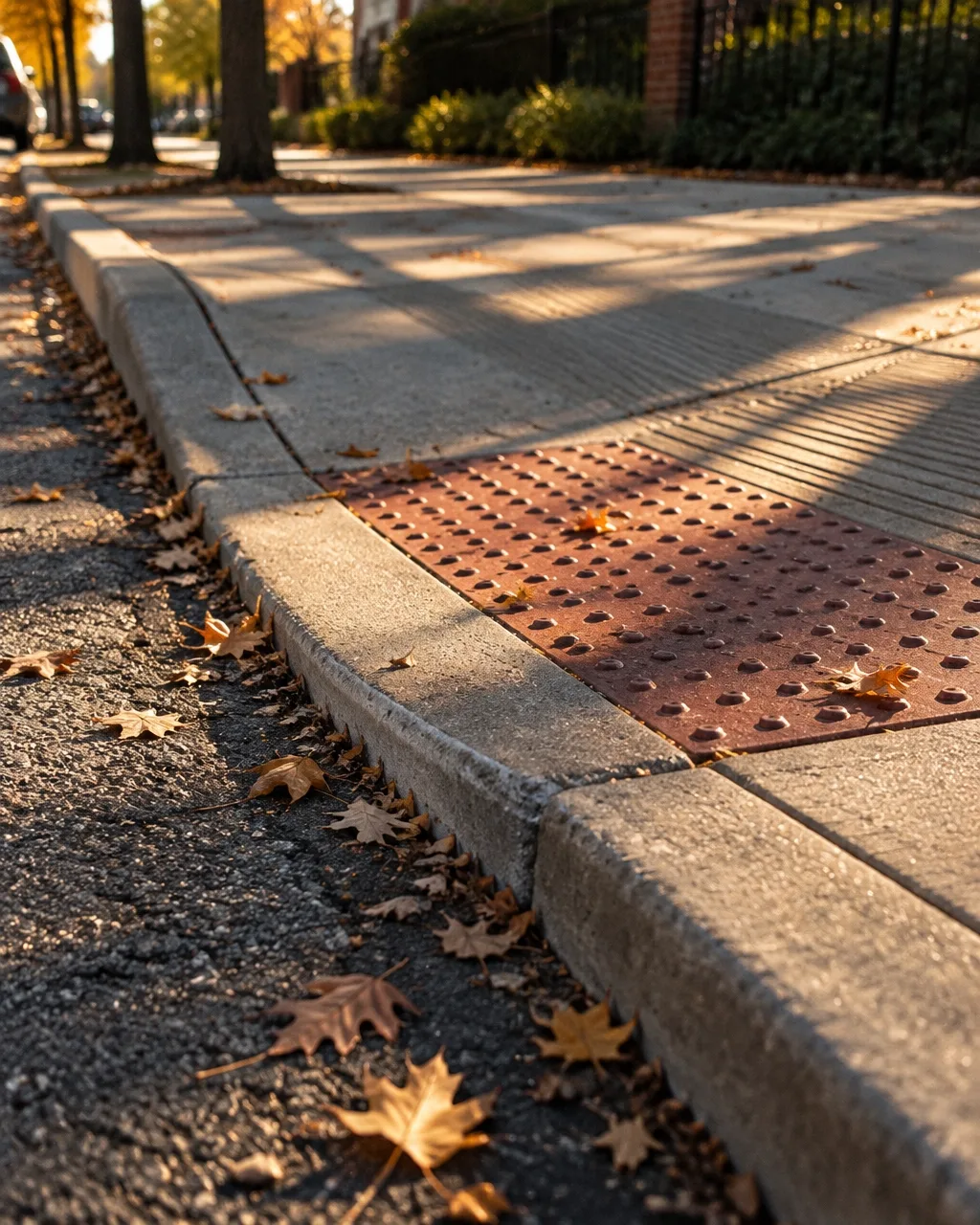 |
The ADA upgrades are designed to make the corridor easier to navigate for people using wheelchairs, mobility devices or strollers.
New lighting and street trees add another layer to the project, improving the feel of the walking environment while helping the corridor become more comfortable and visible.
Councilmember Joi Mayo attended the ribbon cutting for the completed work. |
Why this is a bigger deal than it sounds |
A new crosswalk can look like a small piece of infrastructure.
On a busy road, it can change how families move through their neighborhood.
Charlotte's Vision Zero Annual Report, released in January 2026, found that traffic fatalities rose 9% to 81 deaths in FY2025.
Severe injuries rose 13% to 111 during the same period.
The city's safety data also shows that 13% of local street corridors account for 80% of fatal and serious injury crashes.
That finding helps explain why the Arrowood project focuses on one corridor instead of spreading smaller improvements thinly across the entire city.
Arrowood Road, South Boulevard and Nations Ford Road are part of daily life for people in southwest Charlotte.
These roads connect homes, schools, transit and commercial areas.
A safer crossing in the right location can be more useful than a long list of disconnected improvements elsewhere.
The new pedestrian hybrid beacon on Nations Ford Road is especially important for students and families at South Academy of International Languages.
The signal gives people walking to and from school a clearer opportunity to cross the road.
It is not a complete answer to Charlotte's pedestrian safety problem. No single project could be.
But it is a finished, visible step in the places where safety improvements are most needed. |
The bundling approach, explained |
The Strategic Investment Areas pilot is built around a simple idea: coordinate related projects before construction begins.
In a traditional piecemeal process, a sidewalk may be built during one project, lighting added later and a bus stop upgraded in another phase.
That can leave residents waiting for years to see a complete connection.
The Arrowood model puts several needs into one package: |
The result is a corridor that works more like a connected system.
The pilot is funded through the city's 2024 capital bond and runs through 2027.
Arrowood is one of the areas being used to show how coordinated investments can improve mobility in neighborhoods outside Charlotte's most visible growth districts. |
 |
This approach also makes it easier for residents to understand what is changing.
Instead of hearing about an isolated curb ramp or a single bus stop, the community can see the larger goal: make the full corridor safer and easier to use.
For more local transportation context, read The Queen City Scoop's coverage of Charlotte's evolving transit plans. |
What this means for families in southwest Charlotte |
For families, the benefits are not abstract.
A parent walking with a child may notice that the biggest difference is simply having a clear place to cross.
A student may have a more direct route between school and home.
Someone using a wheelchair may have fewer sidewalk gaps and smoother access at intersections.
The improvements also support people who rely on transit.
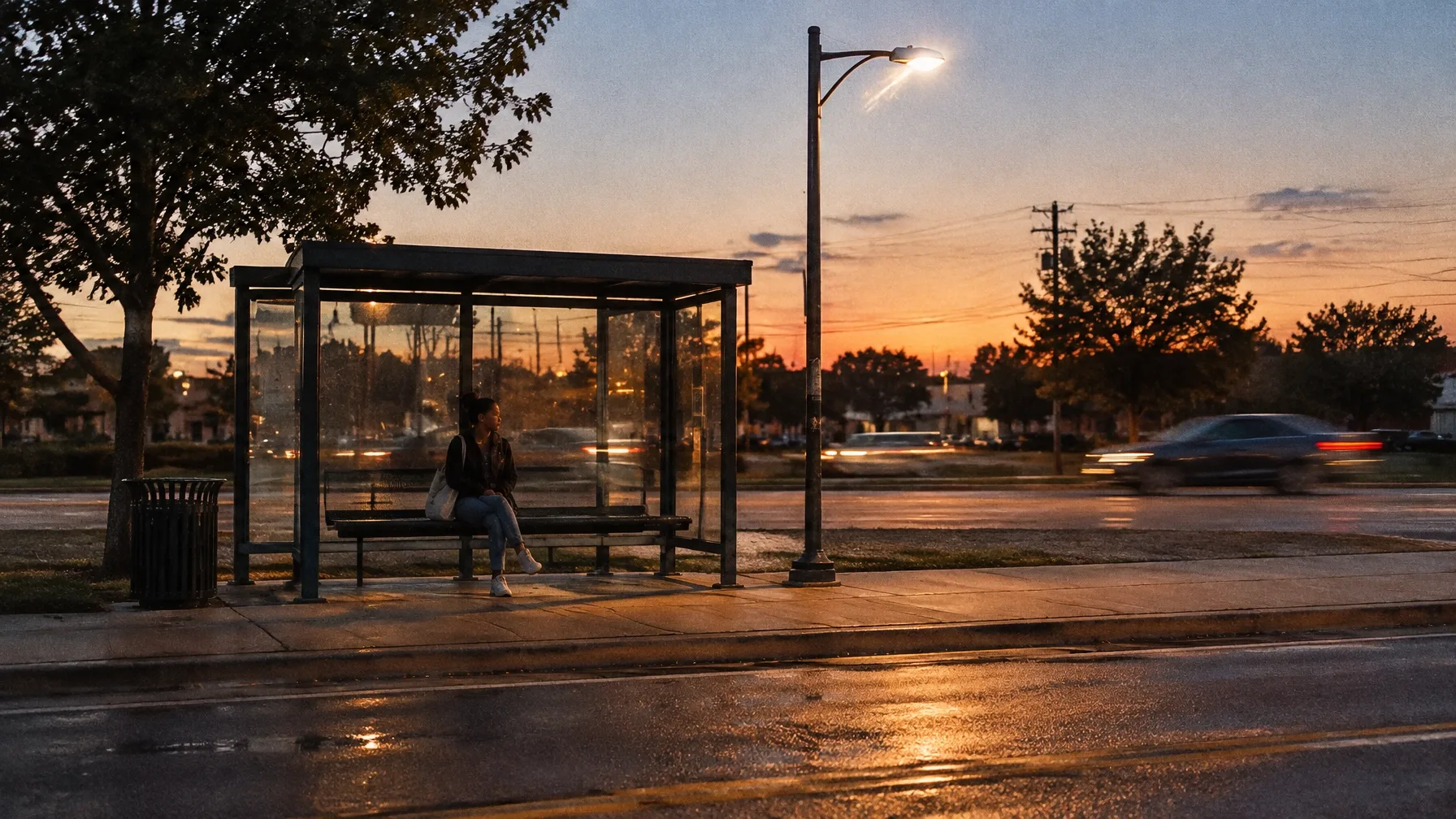
Four bus stop enhancements give riders better access to the corridor, while new lighting can make early morning and evening trips feel more visible.
There are practical reasons to pay attention to the new setup: |
The work also has a neighborhood-level impact.
Better sidewalks can make it easier for residents to reach nearby businesses, bus stops and schools without getting into a car for every short trip.
That matters in a growing city like Charlotte, where southwest neighborhoods are changing alongside the rest of the region.
Infrastructure does not always make the headlines, but it shapes how people experience their community every day. |
A finished project with more work ahead |
The Arrowood improvements arrive at a time when Charlotte is still dealing with serious traffic safety challenges.
The city has also secured a $4.47 million federal Safe Streets and Roads for All grant.
That funding adds to the broader effort to study dangerous locations and improve crossings, signals and street design.
The Arrowood corridor shows what that work can look like on the ground.
It is not just a plan or a future proposal.
The crossings, sidewalks, lighting, bus stop upgrades and school-area beacon are now part of the neighborhood.
That distinction matters. Residents can use the improvements, notice what works and identify what still needs attention. |
The takeaway |
Arrowood's eight completed projects are a tangible win for southwest Charlotte.
The bundle adds eight signalized crossings, 3,080 feet of sidewalks, 7,640 feet of ADA upgrades, 715 feet of lighting and four bus stop enhancements.
It also brings a redesigned Arrowood and South Boulevard intersection, street trees and a pedestrian hybrid beacon serving students and families near South Academy of International Languages.
Charlotte still has a long way to go on pedestrian safety.
But this project shows the value of focusing on high-risk corridors and building several connected improvements at once.
Want more practical Charlotte news about neighborhoods, roads, development and local life? Follow The Queen City Scoop and subscribe for the next local update. |
Sources: Hoodline report on the Arrowood corridor improvements and the City of Charlotte Strategic Investment Areas page. |
0 Comments
Join the conversation
Be the first to comment
Share your thoughts above.