If your monthly bills have been creeping up lately, you’re not imagining it.
Charlotte homeowners are now facing another increase — this time on water and sewer costs.
Between city rate adjustments and potential suburban hikes, this is one expense that’s about to hit a lot of households.
Here’s what’s happening and what it means for your budget.
Two Different Systems, Two Different Stories
Not everyone in the Charlotte area gets water from the same provider.
If you live in the city, you’re likely served by Charlotte Water.
If you’re in surrounding areas like Huntersville or Mooresville, you may be with Carolina Water Service.
Both are increasing rates — but the scale is very different.
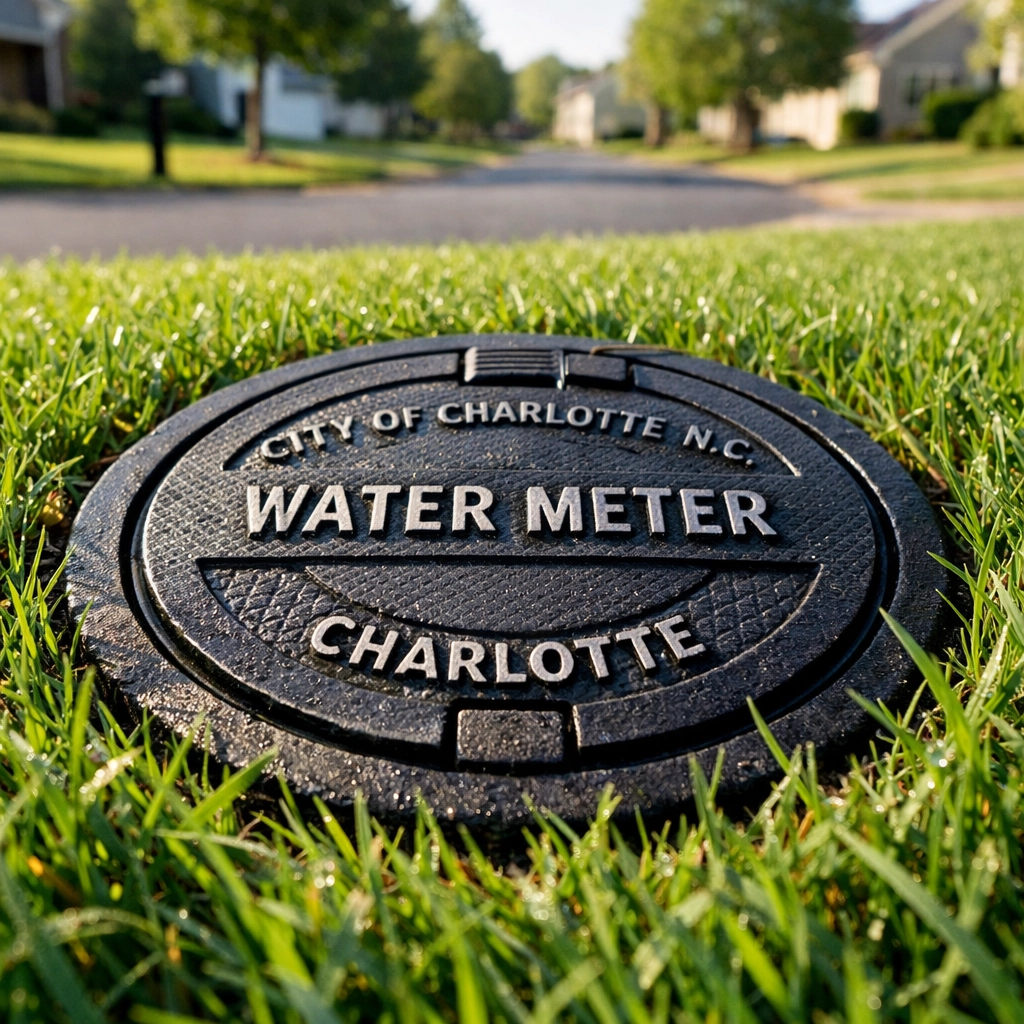
Charlotte Water: Smaller Monthly Increases
Inside city limits, increases are more gradual.
Recent changes moved sewer rates up slightly, and the proposed FY 2026 budget includes:
• About $5.47 more per month for water and sewer
• Around $0.67 increase for stormwater services
👉 View City of Charlotte budget updates
It may not sound like much, but it adds up over time.
Why Rates Are Increasing
The main reason is growth.
Charlotte is one of the fastest-growing cities in the Southeast.
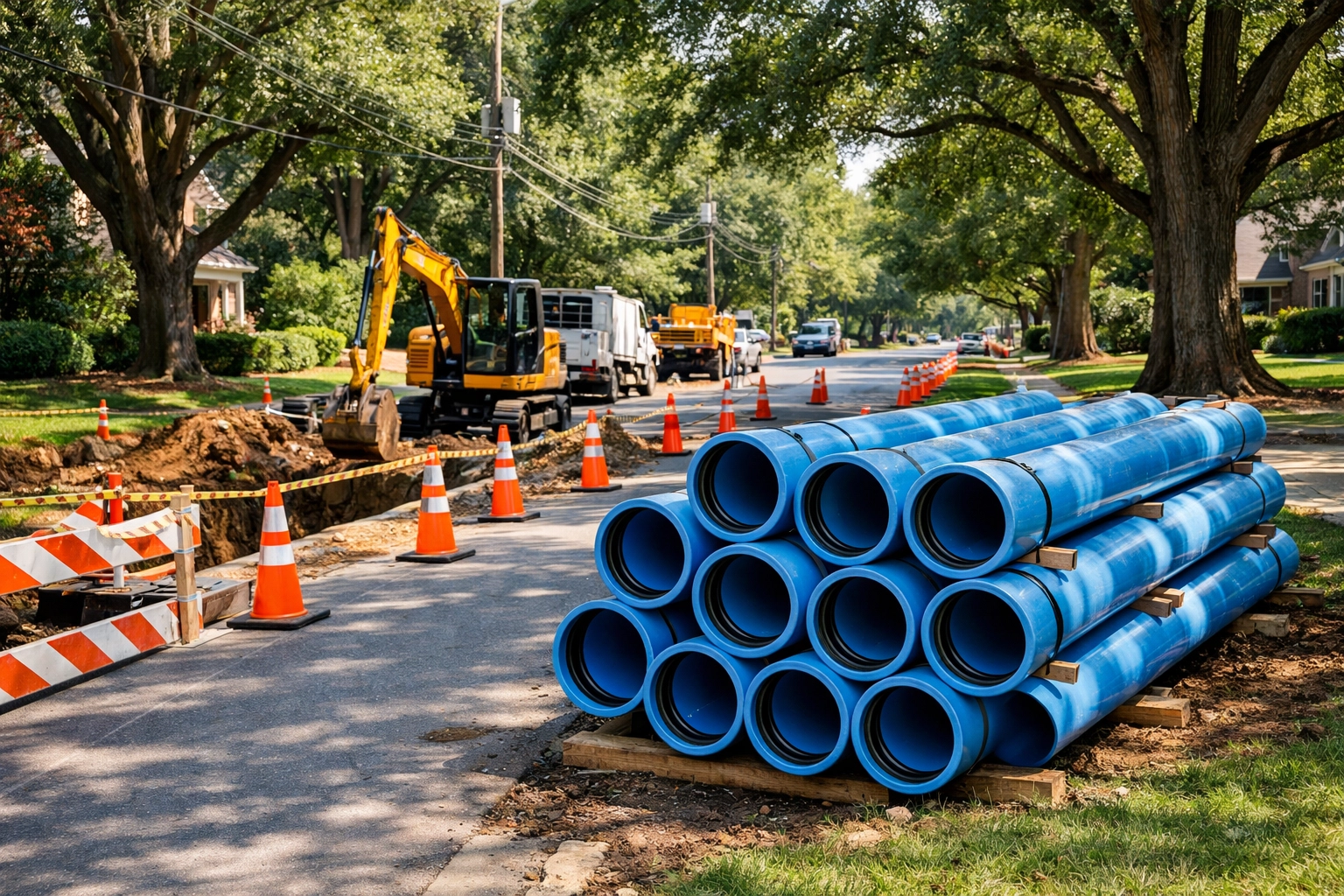
That puts pressure on infrastructure like:
• Water lines
• Sewer systems
• Treatment facilities
The city says the added revenue will help maintain aging pipes and expand capacity for new residents.
Suburbs: Much Bigger Increases Proposed
For customers of Carolina Water Service, the situation is more serious.
The company is seeking a 34% rate increase over three years — with some projections reaching as high as 45%.
👉 North Carolina Utilities Commission
State regulators are reviewing the proposal, and public pushback has already delayed initial changes.
But the final outcome is still undecided.
Residents Are Pushing Back
Homeowners in affected areas are not staying quiet.
Petitions have been filed, and community members are pushing for more transparency.
Many argue that increases of this size are too aggressive — especially with other costs rising at the same time.
The decision will ultimately come down to regulators at the state level.
What This Means for Your Cost of Living
When people talk about the Charlotte cost of living, they usually focus on housing.
But utilities are becoming a bigger part of the equation.
Even small increases add up over time.
For suburban households, the impact could be much larger — potentially hundreds of dollars per year.
How to Lower Your Water Bill
You can’t control the rates — but you can control usage.
Here are a few quick ways to reduce your bill:
• Check for leaks (even small ones add up)
• Upgrade to water-efficient appliances
• Water your lawn early or late to reduce evaporation
• Install low-flow fixtures
👉 EPA WaterSense tips for saving water

What to Watch Next
Over the next few months:
• The City of Charlotte will finalize its FY 2026 budget
• Regulators will decide on Carolina Water Service’s rate request
If you want to stay informed or get involved, now is the time to follow updates and attend public hearings.
Final Takeaway
Charlotte is still one of the fastest-growing cities in the country — but growth comes with costs.
Here’s the quick breakdown:
• City residents: modest monthly increases
• Suburban residents: potentially significant rate hikes
• Main driver: infrastructure upgrades and population growth
Utility costs may not grab headlines like home prices — but they’re becoming a bigger part of everyday life.
Staying informed now can help you avoid surprises later.

0 Comments
Join the conversation
Be the first to comment
Share your thoughts above.