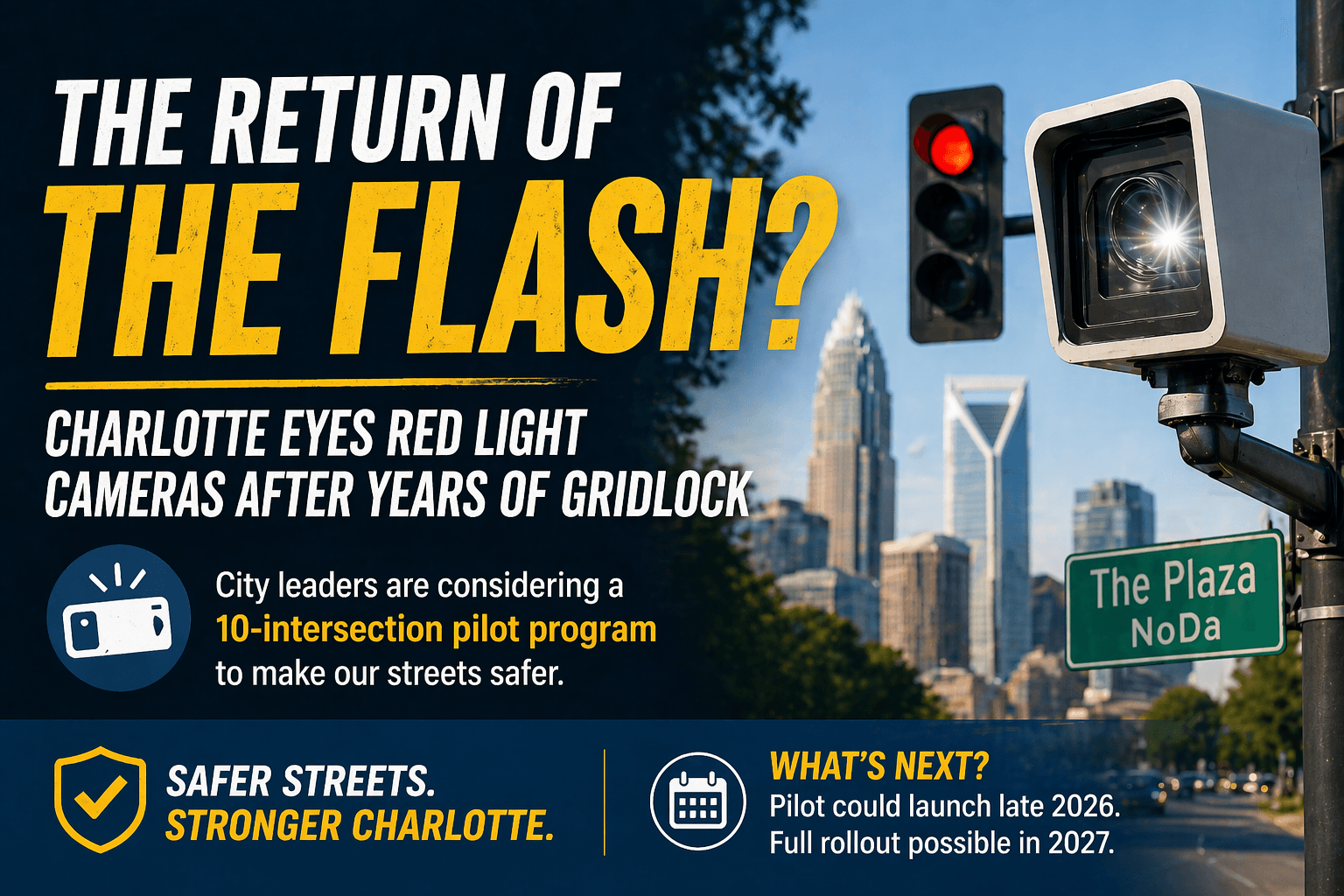
The Return of the Flash? Charlotte Eyes Red Light Cameras After Years of Gridlock |
Charlotte is revisiting red light cameras after a fatal hit-and-run and 2,700+ injury collisions. City leaders are weighing a 10-intersection pilot and legal revenue constraints. |
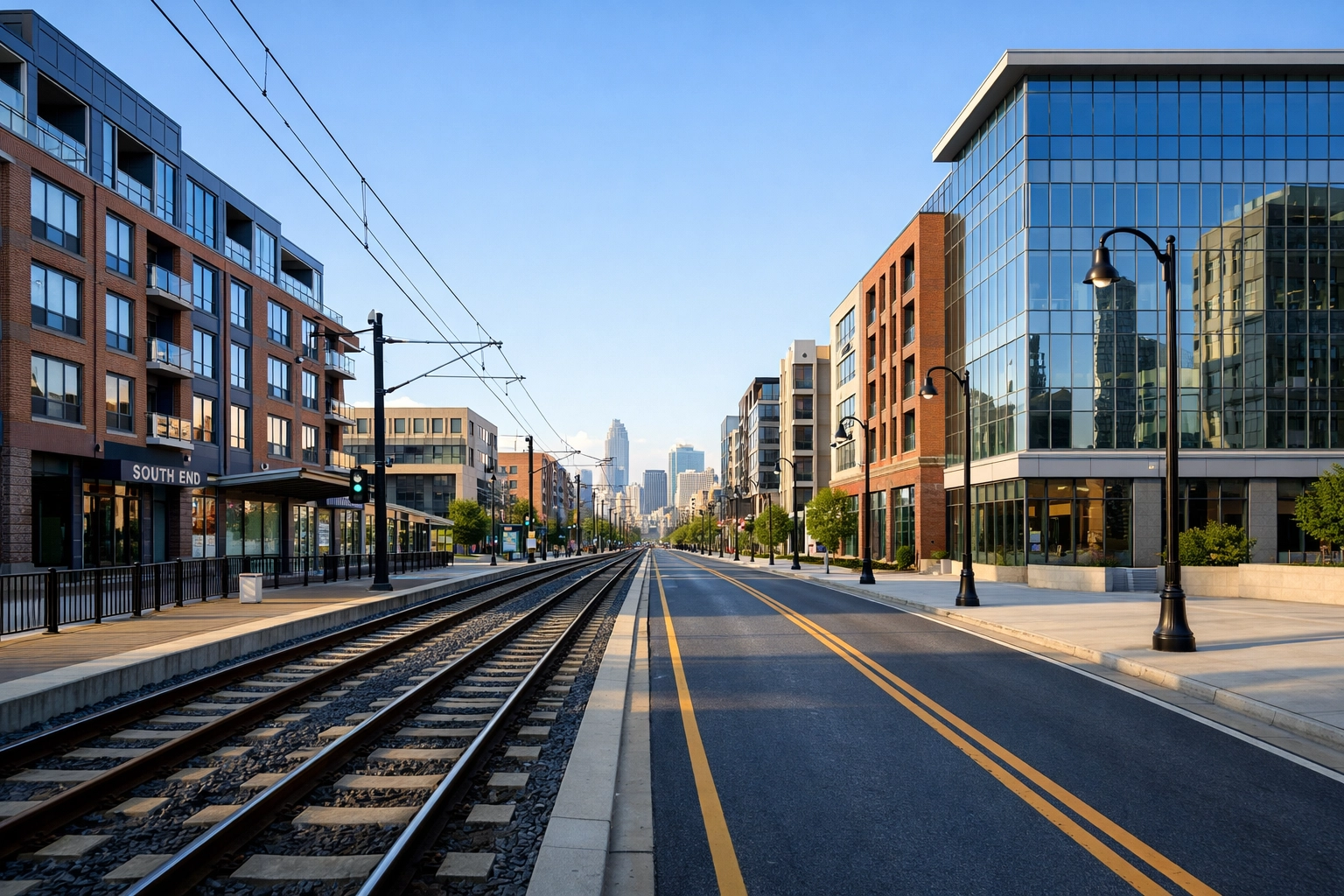
If you have spent any time driving through Uptown Charlotte or cruising down the busy streets of South End Charlotte lately, you know the vibe. It is a mix of high energy, beautiful skylines, and a whole lot of “did that guy just blow through a red light?”
It is getting wild out there. Whether you are headed to check out the latest things to do in charlotte nc or just trying to get home from work, red-light runners have become a major topic across the Queen City.
Now, city leaders are officially looking into bringing back something we have not seen in two decades: Red light cameras.
On April 6, 2026, the City Council Safety Committee met to discuss whether it is time to bring back “the flash.” The Tragedy That Started the Conversation
Traffic safety is not just about tickets. It is about people.
The push for cameras gained momentum after a tragic incident in January.
Lance Sotelo, a 25-year-old runner, was killed in a hit-and-run on The Plaza.
He was simply out for a run when a driver ran a red light.
When something like this happens in our city, it becomes a wake-up call.
Residents and advocacy groups started asking a simple question: What can we do to stop this?
The Data: Why We Are Worried
If driving feels more dangerous lately, the data backs that up.
Since 2020, Charlotte has seen over 2,700 injury collisions at signaled intersections.
That is thousands of residents dealing with injuries, repairs, and long-term impact.
But do cameras actually work?
Charlotte ran a red light camera program from 1998 to 2006. During that time:
Safety experts agree: A fender bender is far better than a high-speed T-bone collision. The Big Revenue Catch: Why They Left in 2006
If the program worked, why did it go away?
The answer: money.
North Carolina law requires that: 90% of red light camera revenue goes to local schools.
That left the city with just 10%—not enough to cover operating costs.
Result: The program became financially unsustainable.
However, a 2024 North Carolina Supreme Court ruling has reopened the door for cities to revisit these programs.
The 10-Intersection Pilot Program
The city is not rushing into a full rollout.
Instead, leaders are proposing a 10-intersection pilot program.
These locations will focus on:
The goal is simple: Prove the system works—both financially and for safety.
Who is Pushing for Change?
This effort is not just coming from City Council.
Sustain Charlotte, a local nonprofit, has been a major advocate.
Their position: As Charlotte grows, we cannot just add lanes—we need safer streets.
This impacts:
More local updates here: The Debate: Safety vs. “Big Brother”
This issue is split into two major camps:
There are also concerns about equity and where cameras are placed.
The City Council is actively weighing these issues.
What Happens Next?
The city is currently in the exploration phase.
If approved:
In the meantime, expect other safety measures like:
Living and Driving in the Queen City
Charlotte continues to grow—and so does traffic risk.
Whether you are exploring breweries in NoDa or heading to Uptown, safety matters.
The cameras may return—but until then: Drive smart. Stay alert. Summary: The Takeaway
Stay safe out there, Charlotte. |
![[HERO] The Return of the Flash? Charlotte Eyes Red Light Cameras After Years of Gridlock](https://cdn.marblism.com/_HowbfXUXy3.webp)
0 Comments
Join the conversation
Be the first to comment
Share your thoughts above.