Charlotte’s Data Center Crackdown: Why Leaders Want a "Pause" |
Charlotte is weighing a pause on new data centers amid neighborhood pushback over water use, power demand, and zoning near Hood Road and Reedy Creek. |
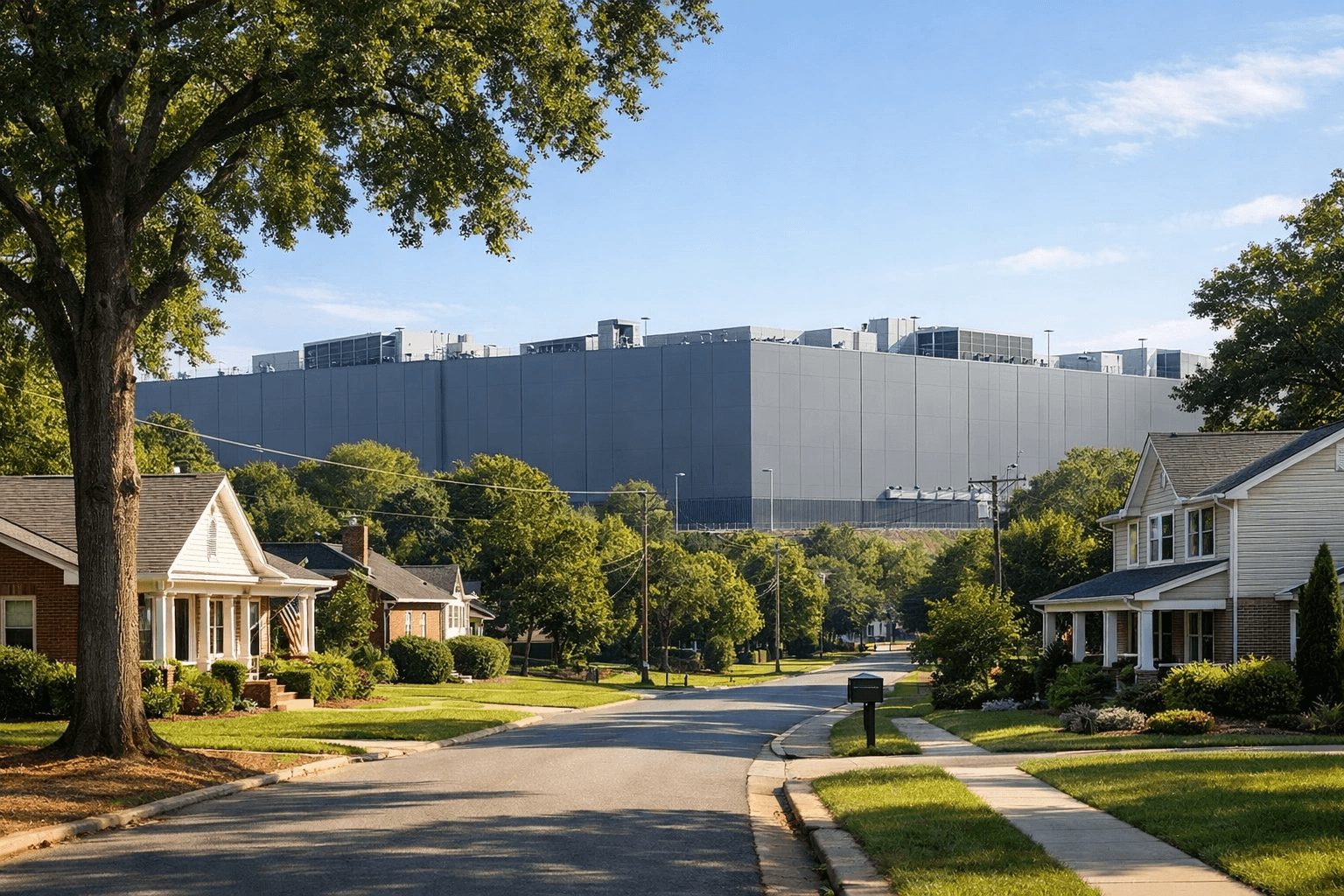
Charlotte leaders are hitting the brakes on new data centers—and it could reshape how our city grows. If you’ve been driving around the Queen City lately, you’ve probably noticed massive, windowless buildings popping up where homes or retail used to be. Now, the city is taking a hard look—and things are getting heated. 📍
From East Charlotte to the outskirts, community pushback is growing fast. Why This MattersThis isn’t just about buildings—it’s about water, power, and the future of our neighborhoods. If data centers expand without limits, Charlotte could face:
For homeowners, especially near Reedy Creek or Hood Road, this decision could directly impact property values and quality of life. What’s Happening Right Now?City Council leaders, including Monica Holmes, are raising concerns. They’re not rejecting tech—but they are saying: "Not so fast."
The city is considering:
Why? Because these facilities run 24/7 and consume massive resources to stay operational. The Hood Road + Reedy Creek BattleThe biggest flashpoint is the proposed development near Hood Road and Reedy Creek Nature Preserve.
Residents are pushing back—hard. A petition opposing the project has already surpassed 3,000 signatures.
Concerns include:
Key argument: These projects don’t align with transit-oriented development. Instead of housing and jobs near transit, you get low-employment, high-impact buildings. The Real Issue: Water + PowerAt the core of the debate are two major concerns: Water and Electricity.
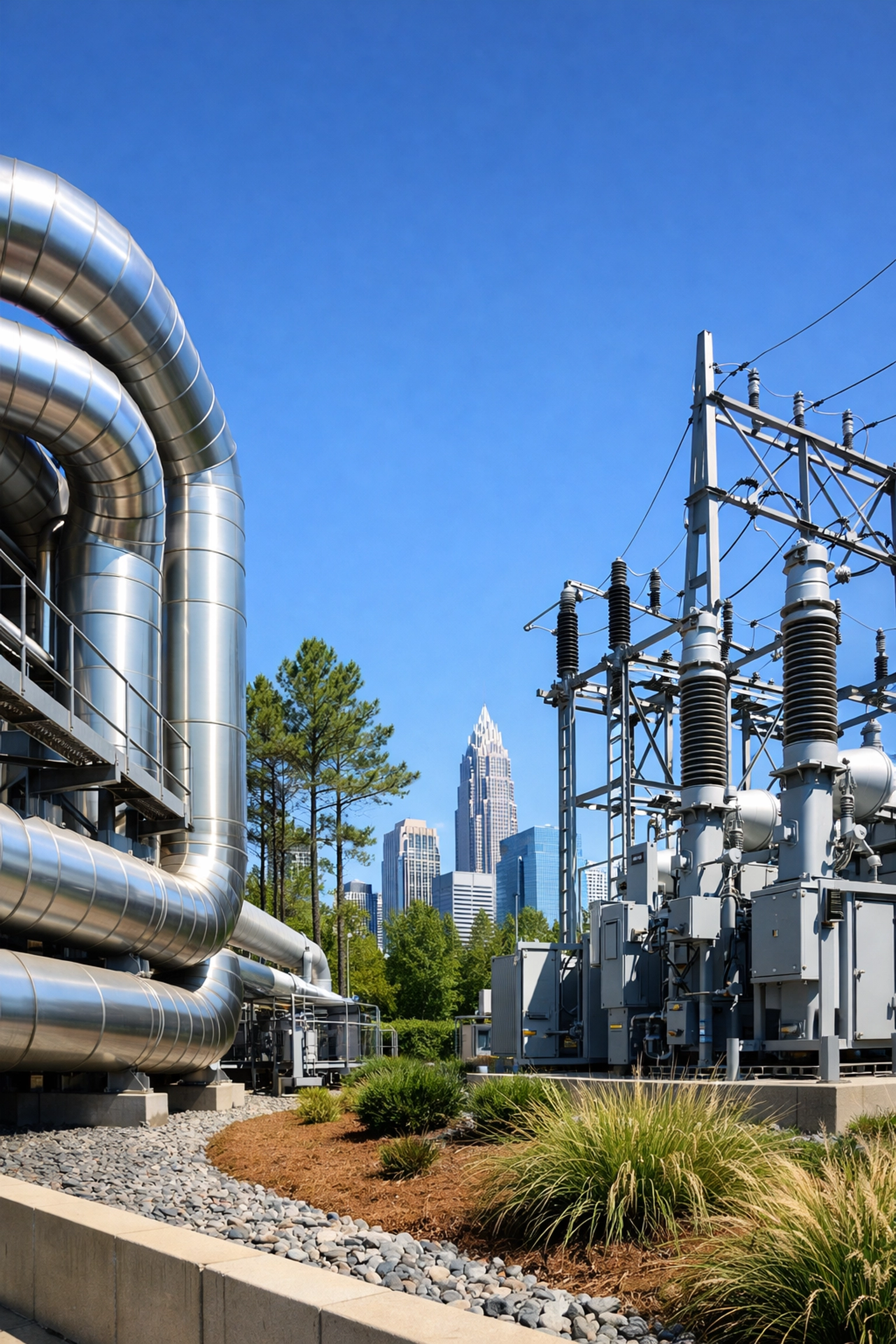
Data centers require massive cooling systems. A single 100-megawatt facility can use as much water as 2,600 households.
Then there’s electricity—especially with the rise of AI. These facilities place serious strain on the power grid, which can drive up costs citywide. 💡 Charlotte Isn’t AloneThis isn’t just a Charlotte issue. Across North Carolina, communities are starting to push back:
Many are implementing moratoriums or stricter zoning laws to manage the “AI gold rush.”
If you want to see how major policy shifts play out locally, check out our coverage on the North Carolina legislature.
What Happens Next?The city isn’t done—this is just the beginning. Expect to see:
This is a developing story that will shape Charlotte through 2026 and beyond. Key Takeaways
How You Can Stay InvolvedWant to stay ahead of what’s happening? Follow zoning updates in your area and track proposals that could affect your neighborhood.
You can also check our current news section for updates.
Charlotte is growing fast—and decisions like this will define what that growth looks like. 🌳 Bottom LineCharlotte is trying to balance the AI boom with real-world limits. The goal isn’t to stop progress—it’s to make sure growth doesn’t come at the expense of neighborhoods, infrastructure, and long-term livability. Want more local insights? |

0 Comments
Join the conversation
Be the first to comment
Share your thoughts above.