Charlotte's Transit System Is About to Change: Here's What Residents Should Know |
A new transit authority, dedicated transportation funding and expanded bus service are reshaping how Mecklenburg County gets around |
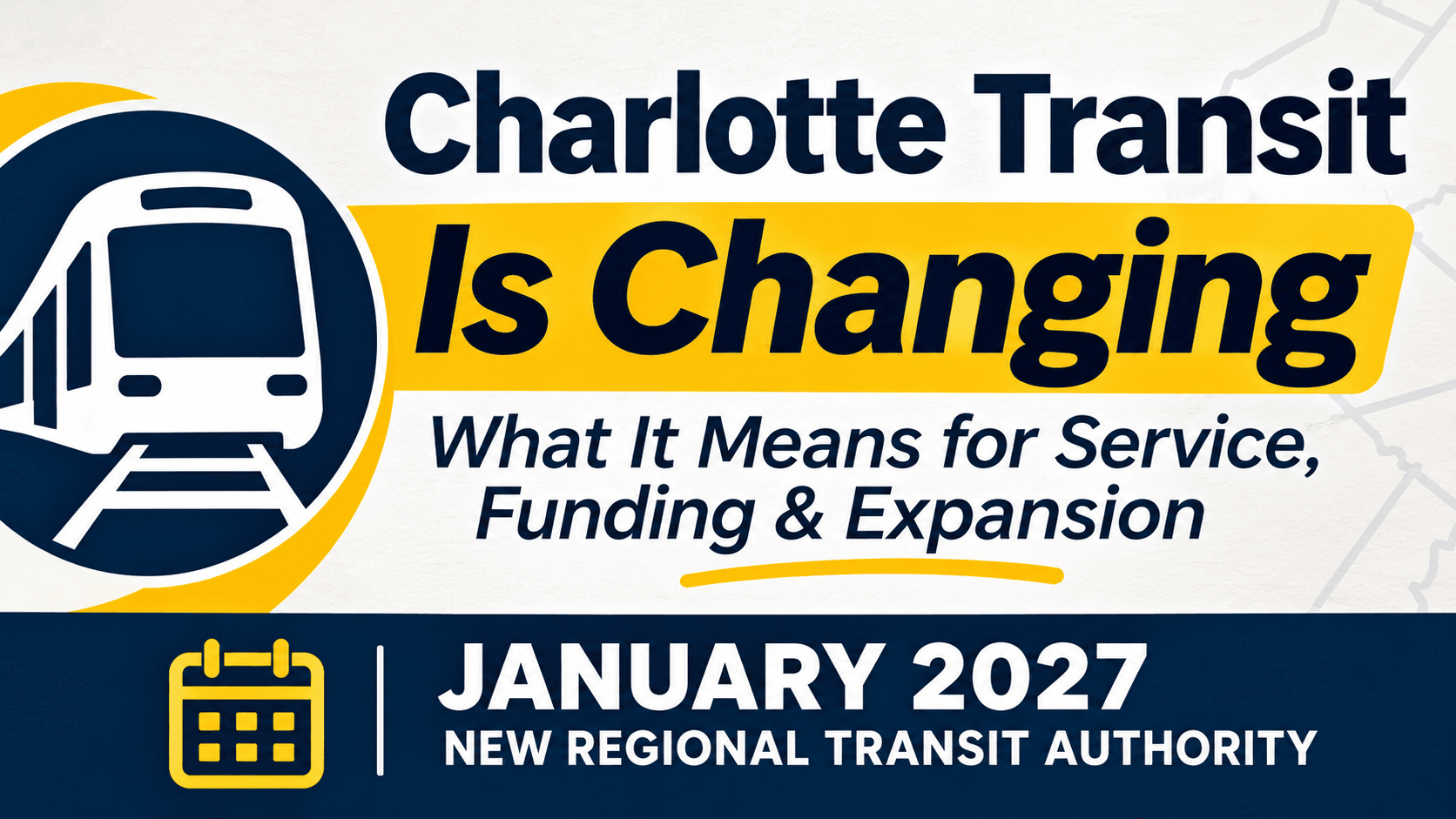
Charlotte is approaching a major milestone in how its public transportation system is managed, with implications for bus riders, commuters and taxpayers across Mecklenburg County.
At its November 23 business meeting, Charlotte City Council reviewed additional agreements related to transferring the Charlotte Area Transit System (CATS) to the Metropolitan Public Transportation Authority (MPTA).
The scheduled January 1, 2027 transition would shift operational control to the authority. The November meeting was part of the preparations, not confirmation that every remaining agreement has been finalized.
What is changing?
The Metropolitan Public Transportation Authority assumed transit governance responsibilities in July 2026. The next phase involves transferring operational responsibilities, employees and assets from the city.
For riders, this is primarily a change in who manages the system. It does not mean that existing bus and rail services will be replaced overnight.
Where is the money coming from?
Mecklenburg County voters approved an additional one-percent transportation sales tax in November 2025 under North Carolina's PAVE Act. The tax took effect July 1, 2026.
Axios Charlotte reported on November 9 that the first month of collections generated approximately $27.5 million.
State law directs 60% of the new revenue to public transportation and 40% to eligible municipalities for roadway systems. Applied to that reported first-month total, the split would look like this:
These are illustrative allocations calculated from the reported total, not an accounting of actual spending on individual projects.
CATS' adopted fiscal year 2027 budget separately includes $314 million in operating investments and $225 million in capital investments. These figures cover the broader transit budget, not just the new tax.
What riders are already seeing
On October 5, CATS launched its first round of enhanced and new services funded by the transportation referendum.
The Airport Sprinter now offers service every 15 minutes on weekdays and 20 minutes on weekends, while Central Avenue buses run every 15 minutes seven days a week.
Kings Drive weekday service was increased to every 20 minutes, and additional trips were added to the Northlake and Arboretum/Waverly express routes.
The new North Meck Connector offers hourly weekday service linking Uptown with northern Mecklenburg communities. West Charlotte also gained on-demand microtransit, while North Mecklenburg microtransit hours were extended until 9 p.m.
These changes offer a concrete example of how the funding is affecting daily travel before major rail construction begins.
October 5 service changes at a glance
What could the future transit network look like?
The adopted 2055 Transit System Plan calls for a 50% increase in bus service and 43 additional miles of rail over the long term.
Projects envisioned in the plan include the Red Line commuter rail connecting Uptown with northern Mecklenburg communities, Silver Line light rail service and extensions of the existing Blue and Gold lines.
These are planning objectives, not guaranteed construction dates. Individual projects remain dependent on funding, engineering, regulatory approvals and other implementation decisions.
What's next?
The city and authority are working through agreements covering property, shared administrative services and the transfer of records and responsibilities. The January 1 operational transition is the next scheduled milestone.
Residents can monitor upcoming meetings and agreements through the city's legislative records, and check the official CATS service changes page for current route information.
For people who depend on transit, the outcomes to watch include bus frequency, reliability, connections to employment centers and how transportation revenue is allocated.
We want to hear from you: What transportation improvement would make the biggest difference in your daily life? |
Nov 18, 2026
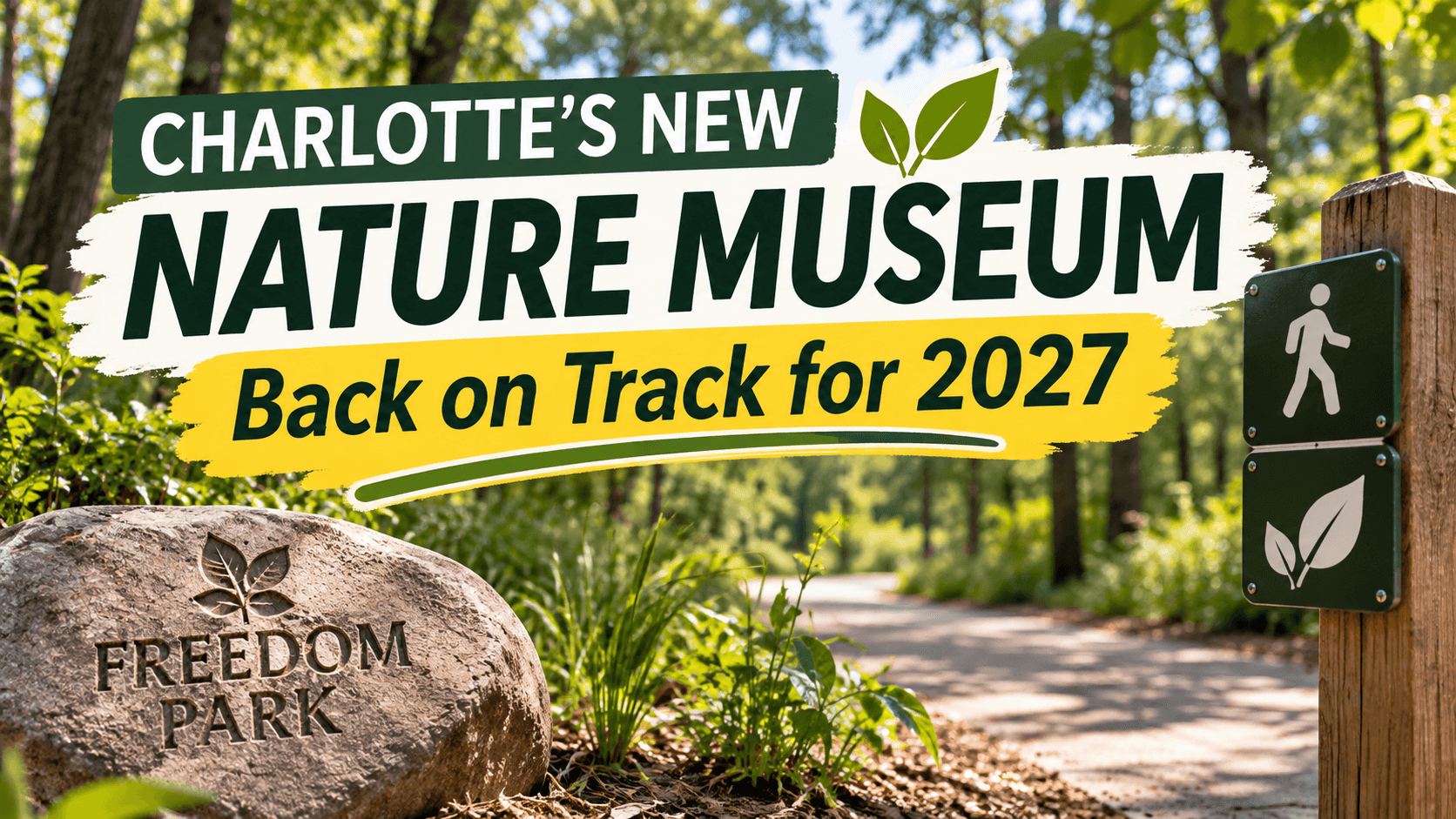
Freedom Park’s New Nature Museum Is Back on Track for a 2027 Opening
A $13.7 million agreement clears the way for the main museum building to open in spring 2027, with outdoor experiences to follow later in the year.

Nov 18, 2026
Scout Motors begins build-out of its Charlotte headquarters
Permit filings show interior work on six floors at Commonwealth in Plaza Midwood, a year after the 1,200-job announcement

Nov 11, 2026
Southern Christmas Show 2026: Tickets, Parking, Hours and What to Know
Plan your 2026 Southern Christmas Show visit with Charlotte dates, hours, parking prices, crowd tips and what to know before you go.
Nov 11, 2026
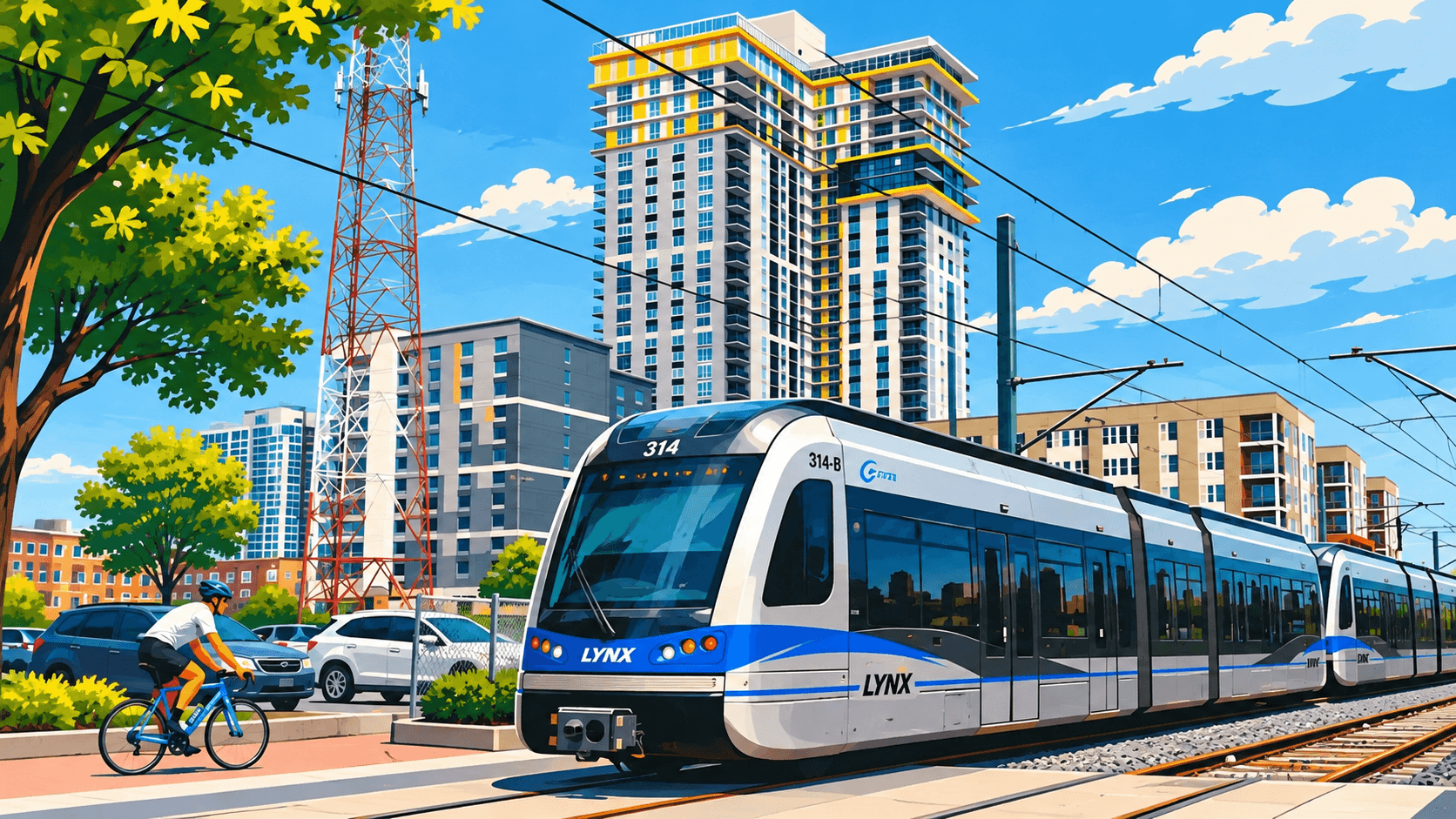
Charlotte Blue Line Changes Through December: What Riders Need to Know
CATS extended Blue Line single-tracking and Rail Trail detours through Dec. 18. See the affected dates, stations and platforms.
0 Comments
Join the conversation
Be the first to comment
Share your thoughts above.