It is a Tuesday evening in Charlotte.
You are finally settling into your couch with a fresh bowl of pasta and the latest episode of whatever everyone is talking about.
Suddenly, the lights flicker.
One second. Two seconds. Then, total darkness.
You hear the collective sigh of your neighbors through the walls. You check your phone, and sure enough, the neighborhood group chat is already blowing up.
"Is everyone’s power out? It’s not even raining?"
If this feels like a weekly ritual, you are not alone.
Charlotte power outages have become a major topic of conversation lately, especially as residents deal with “micro-outages” that last just long enough to reset the oven clock.
So why does the Queen City seem to struggle with keeping the lights on more than other major metros?
Let’s dive into what is really going on.
The “City in a Forest” Problem
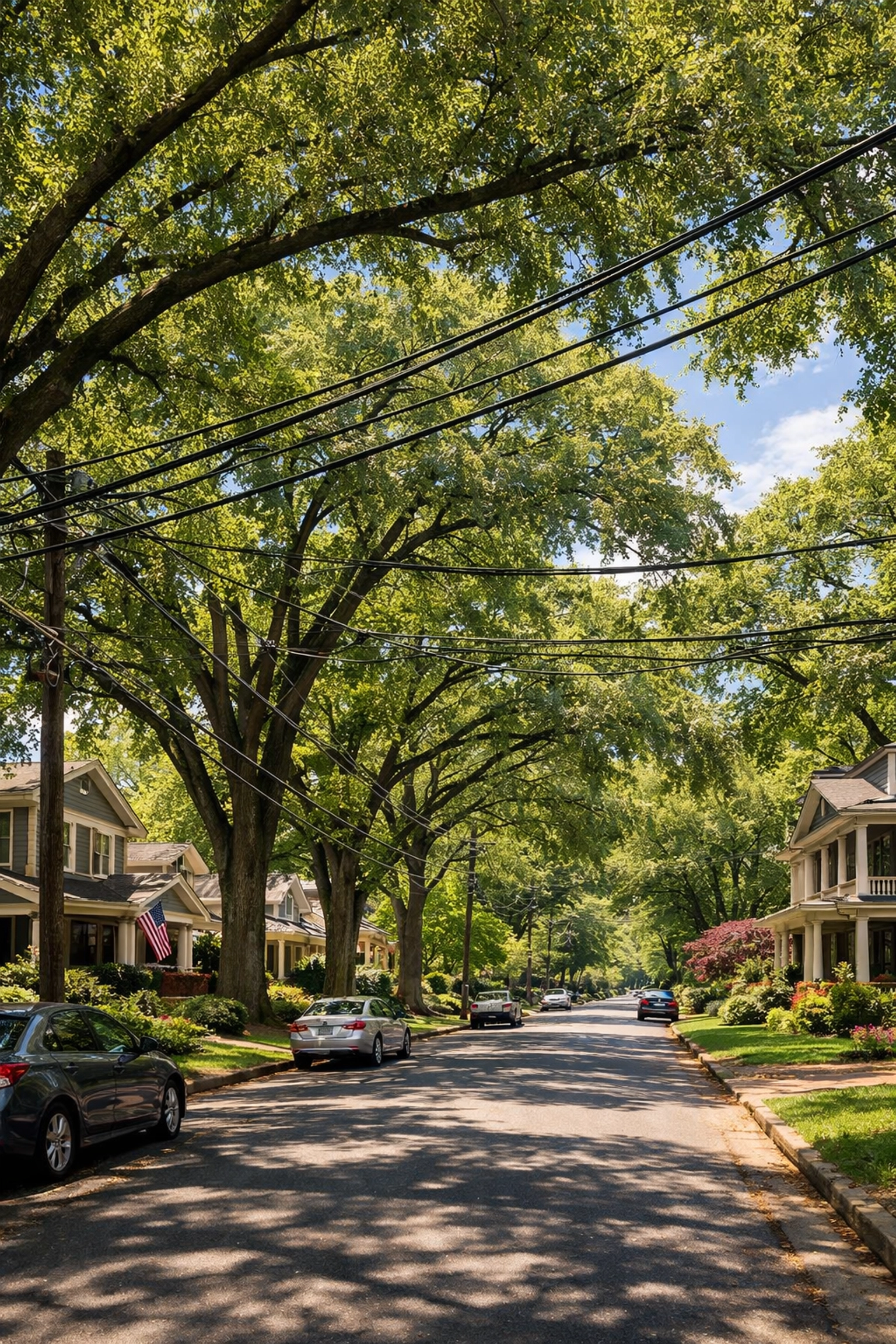
We all love Charlotte for its lush greenery and massive tree canopy.
But that same beauty is one of the biggest challenges for the electrical grid.
Charlotte has one of the highest urban tree canopy percentages in the United States.
That is great for shade and air quality, but it creates constant risk for above-ground power lines.
Falling limbs, shifting roots, and storm damage all contribute to outages.
Why it happens even when the sun is shining
You might notice outages even on clear days.
Some of the most common causes include:
• Weakened limbs: Storm damage from days earlier finally gives way
• The squirrel factor: Wildlife interference is a real and frequent issue
• Soft soil: After heavy rain, trees can shift and impact lines
That is why outages often feel random.
Rapid Growth vs. Old Infrastructure
Charlotte is growing faster than almost any city in the country.
With that growth comes increased demand on a grid that was not originally built for this level of density.
Construction also plays a role.
It is not uncommon for crews to accidentally damage underground lines or get too close to overhead ones.
If you have seen outages in areas like South End or NoDa, development activity may be part of the reason.
What Duke Energy is actually doing
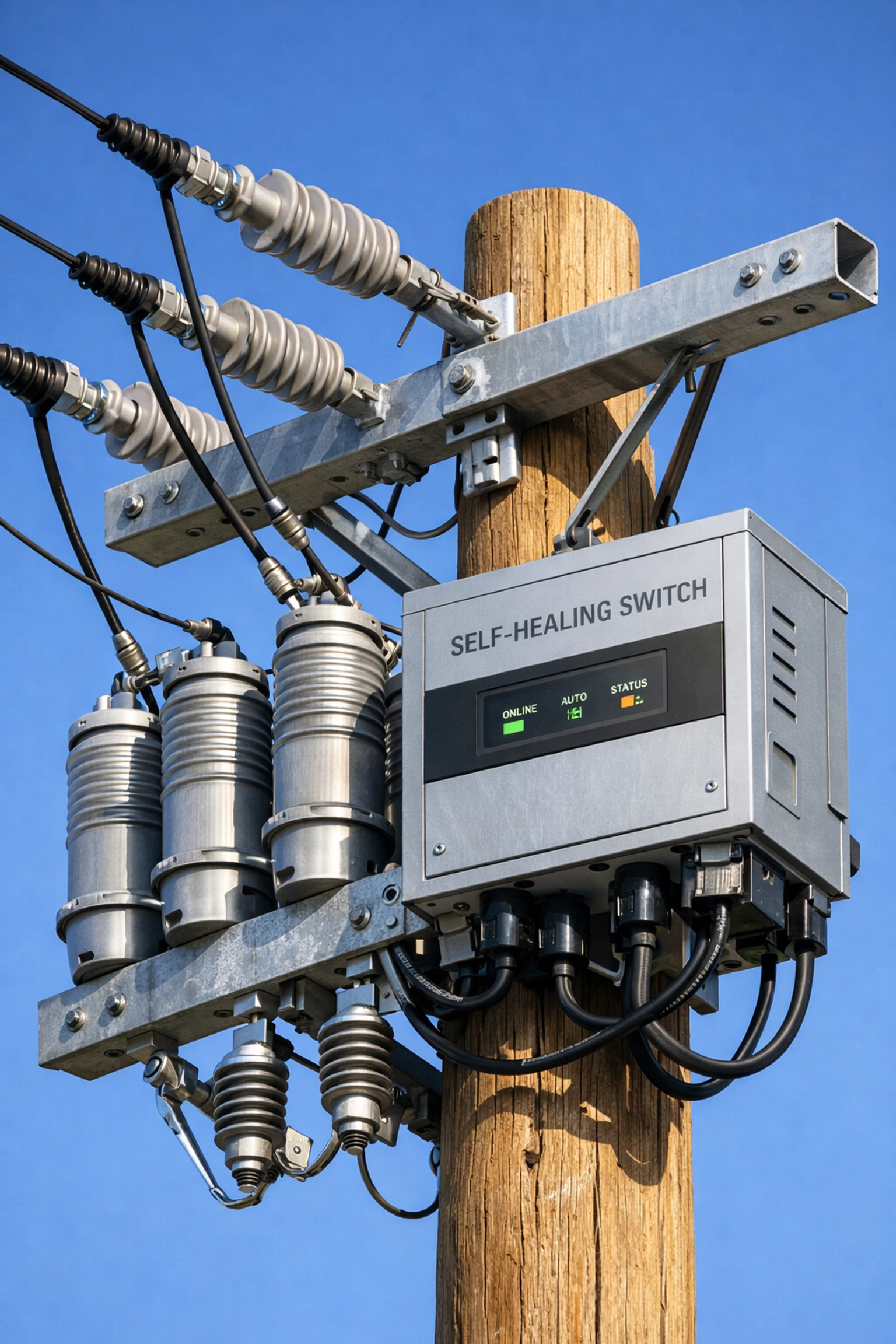
Duke Energy is currently investing billions into modernizing the grid.
Here is what that looks like in practice:
Self-healing technology
Power can be automatically rerouted when disruptions occur, reducing outage duration significantly.
Underground infrastructure
High-density areas are being upgraded, but full underground conversion would take decades and massive investment.
Tree management
Crews are actively trimming trees near power lines to prevent outages.
Your Power Outage Survival Guide

How to report and track outages:
• Duke Energy Outage Map
• Text OUT to 57801
• Call 800-769-3766
Actionable safety tips:
• Use surge protectors to protect electronics from flickers
• Keep backup batteries or portable power stations ready
• Call 911 if a line or tree creates a dangerous situation
• Use the CLT+ app or call 311 for non-emergency cleanup
Is the power more stable elsewhere?
Many newer cities rely heavily on underground utilities.
Charlotte’s older neighborhoods still use above-ground lines, making them more vulnerable.
It is a tradeoff between preserving the city’s tree canopy and modernizing infrastructure.
Looking Ahead

While outages have not disappeared, improvements are helping reduce how long they last.
Charlotte is growing rapidly, and the grid is evolving alongside it.
In the meantime, preparation is your best defense.
For more local updates, check out our archive or browse our latest articles.
We want to hear from you
Have you noticed more outages lately?
Share your experience with us.
📍 The Queen City Scoop
Keeping you plugged in (even when the power isn’t)

0 Comments
Join the conversation
Be the first to comment
Share your thoughts above.